Source Oil Drilling Thickening CMC for Coating, Paper, and Water Treatment
Compare 30 verified suppliers of oil drilling thickening CMC suitable for building coatings, water treatment, and papermaking. Buyers can evaluate purity, viscosity, and customization options to find the right chemical auxiliary agent for their industrial needs; compare the available evidence and request quotations based on your requirements.
Key considerations
Products List




Comprehensive Sourcing Guide
Oil Drilling Thickening CMC Sourcing Guide
Procuring carboxymethyl cellulose (CMC) for oil drilling operations requires a precise understanding of its functional role as a thickening and stabilizing agent in drilling fluids. This chemical auxiliary agent, often identified by the CAS number 9004-32-4, is derived from refined cotton through hydrolysis, resulting in a white powder that serves as a critical mud additive. Buyers must recognize that while the material shares chemical similarities with food-grade or pharmaceutical-grade CMC, the oil drilling grade is formulated specifically to withstand high temperatures and saline environments encountered downhole. The primary function involves viscosity control, water preservation, and suspension of cuttings, ensuring wellbore stability during extraction processes.
The market offers a wide range of specifications, with purity levels typically observed between 65% and 99%, allowing for customization based on specific well conditions. Key attributes such as degree of substitution (D.S.) and viscosity are paramount, with some listings indicating a minimum D.S. of 0.80 and viscosity ranges tailored to application needs. Buyers should note that the product is available in various mesh sizes, with 60-mesh being a common specification, and moisture content is generally controlled to around 10%. Understanding these technical nuances is essential for selecting the right grade, whether it is intended for construction coating, water treatment, or specialized oil drilling auxiliary applications, to ensure optimal performance and cost-efficiency in field operations.
Product Scope and Observed Listing Signals
The current market landscape for oil drilling thickening CMC presents a diverse array of listings, with observed prices ranging from $1 to $3,500 USD and minimum order quantities (MOQs) varying from 1 to 1,000 units. This wide variance reflects differences in purity, viscosity grades, and packaging standards, such as standard sea packages or composite kraft paper bags with inner PE liners. Buyers should interpret these signals as indicators of product tier rather than direct price comparisons, as higher purity levels and customized viscosity requirements often command premium pricing. The presence of customization options suggests that suppliers are willing to tailor the product to specific drilling fluid formulations, which is crucial for maintaining consistency in complex drilling environments.
Observations also highlight that many suppliers originate from regions like Hunan and Hebei in China, leveraging local raw material advantages from refined cotton sources. The classification of these products as chemical auxiliary agents or drilling fluids underscores their industrial nature, distinct from consumer-grade cellulose ethers. Listings frequently emphasize key words such as "CMC," "Sodium CMC," or "CMC Na," alongside alternative names like "Mud Additives." Buyers must carefully cross-reference these identifiers with technical data sheets to ensure the product meets the rigorous demands of oil drilling applications, avoiding confusion with lower-grade variants intended for detergents or papermaking, which may lack the necessary thermal stability or salt tolerance.
Technical Specifications to Verify
Verifying the degree of substitution (D.S.) and viscosity is critical for ensuring the CMC performs effectively in drilling fluids. The D.S. value, which indicates the average number of carboxymethyl groups per anhydroglucose unit, directly influences solubility and thickening efficiency. Buyers should confirm that the D.S. meets the minimum requirements for their specific application, with some specifications noting a minimum of 0.80. Additionally, viscosity is a key performance indicator, often measured in centipoise (cps) at specific concentrations, such as 2% concentration yielding 20,000-60,000 cps. These parameters must be validated against the drilling conditions, including temperature and pressure, to prevent fluid thinning or gelation issues that could compromise well integrity.
Purity and moisture content are equally important technical factors that affect the consistency and handling of the product. Listings often specify purity ranges from 70% to 99%, with some products offering customized purity levels to meet exact formulation needs. Moisture content is typically controlled to around 10%, which impacts the product's flowability and storage stability. Buyers should also verify the mesh size, with 60-mesh being a common standard, to ensure proper dispersion in the drilling fluid. Furthermore, the pH range, often observed between 6.5 and 9, should be checked to ensure compatibility with other additives in the mud system. Confirming these specifications through third-party testing or supplier certificates is essential to avoid operational disruptions.
Compliance and Safety Documentation
Ensuring that the supplied CMC meets relevant safety and environmental standards is a fundamental requirement for responsible procurement. Certifications such as CCIC and REACH are frequently mentioned in listings, indicating that the product has undergone specific compliance checks. Buyers must verify the current validity of these certifications, as regulatory requirements can change, and outdated certificates may not reflect the latest safety protocols. Additionally, the product's classification as a chemical auxiliary agent necessitates careful handling and storage procedures to mitigate any potential hazards. Understanding the safety data sheets (SDS) provided by the supplier is crucial for implementing proper risk management strategies on-site.
Environmental protection is another critical aspect, with many suppliers claiming their products are environmentally friendly. Buyers should request detailed documentation on the biodegradability and toxicity of the CMC to ensure it aligns with local environmental regulations and corporate sustainability goals. The shelf life of the product, often stated as two years, should be considered in inventory planning to prevent degradation before use. Furthermore, verifying the origin of the raw materials, such as refined cotton, can provide insights into the supply chain's ethical and environmental practices. By prioritizing compliance and safety documentation, buyers can reduce liability and ensure that their drilling operations adhere to global best practices.
Cost Drivers and Commercial Terms
The cost of oil drilling thickening CMC is influenced by several factors, including raw material prices, production complexity, and packaging requirements. Refined cotton, as the primary raw material, is subject to market fluctuations that can impact the final price. Buyers should anticipate variations in pricing based on the desired purity and viscosity grades, with customized specifications often incurring additional costs. Packaging also plays a role, with options ranging from standard 25kg bags to composite kraft paper bags with inner PE liners, each affecting the overall logistics cost. Understanding these drivers helps buyers negotiate better terms and plan their budgets more effectively.
Commercial terms such as MOQ and lead times are significant considerations in the procurement process. Observed MOQs range from 1 to 1,000 units, offering flexibility for both small-scale trials and large-volume contracts. Buyers should clarify lead times with suppliers to ensure timely delivery, especially for time-sensitive drilling operations. Payment terms and shipping methods, such as standard sea packages, should be negotiated to minimize financial risk and logistical delays. Additionally, buyers should consider the total cost of ownership, including storage and handling, when evaluating supplier quotes. By understanding the commercial landscape, buyers can make informed decisions that balance cost efficiency with supply chain reliability.
Supplier Qualification and Quality Control
Selecting a qualified supplier is paramount to ensuring the consistent quality of oil drilling thickening CMC. Buyers should prioritize suppliers who demonstrate a robust quality control system, including regular testing of purity, viscosity, and moisture content. Certifications like CCIC and REACH can serve as initial indicators of a supplier's commitment to quality, but buyers should also request recent test reports and batch-specific certificates of analysis. Engaging with suppliers who offer customization options can also be beneficial, as it suggests a higher level of technical expertise and flexibility in meeting specific drilling fluid requirements.
Quality control should extend beyond the initial purchase to include ongoing monitoring and feedback loops. Buyers should establish clear acceptance criteria and conduct periodic audits of the supplier's production facilities if possible. Building a long-term relationship with a reliable supplier can lead to better pricing, priority service, and improved product consistency. Additionally, buyers should verify the supplier's ability to provide technical support and troubleshooting assistance, which can be invaluable in resolving any issues that arise during drilling operations. By investing in supplier qualification and quality control, buyers can mitigate risks and ensure the successful execution of their drilling projects.
Long-Term Procurement Checks
Establishing a framework for long-term procurement checks ensures that the supply of oil drilling thickening CMC remains reliable and cost-effective over time. Buyers should regularly review supplier performance metrics, including on-time delivery rates, product quality consistency, and responsiveness to issues. Conducting periodic market analyses can help identify emerging trends, new suppliers, or alternative materials that may offer better value or performance. Staying informed about regulatory changes and industry standards is also crucial, as compliance requirements may evolve, necessitating adjustments in procurement strategies.
Continuous improvement in procurement processes can lead to significant cost savings and operational efficiencies. Buyers should explore opportunities for volume discounts, long-term contracts, or collaborative planning with suppliers to stabilize prices and secure supply. Additionally, implementing a robust inventory management system can help optimize stock levels, reducing holding costs and minimizing the risk of stockouts. By maintaining a proactive approach to long-term procurement checks, buyers can build a resilient supply chain that supports the ongoing success of their oil drilling operations. This strategic focus on sustainability and efficiency is key to achieving competitive advantage in the industry.
FAQs
What is the purity range for oil drilling thickening CMC?
The purity ranges from 65% to 99% and can be customized to meet specific project requirements. Some batches offer a narrower range of 70% to 95%, while others reach up to 95% for specialized applications. This flexibility ensures the product fits various industrial needs effectively.
How is the CMC powder packaged for shipping?
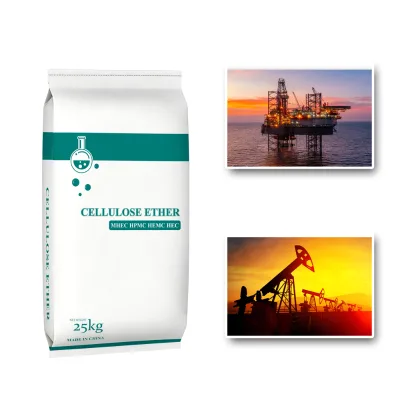
The product is typically packed in 25kg bags using standard sea packages or composite kraft paper bags with an inner PE layer. This packaging ensures protection during transit and maintains the quality of the white powder. Customization of packing methods is available upon request.
Can the viscosity of the CMC be customized?
Yes, the viscosity is available as required by the buyer, with standard options ranging from 20,000 to 60,000 cps at 2% concentration. This customization allows the thickening agent to be tailored for specific oil drilling or water treatment applications without compromising performance or stability.
Which certifications does the oil drilling CMC hold?
The product holds CCIC and REACH certifications, ensuring compliance with international safety and environmental standards. These certifications verify the quality of the chemical auxiliary agent used in building coatings, oil drilling, and other industrial applications across different global markets.
What is the shelf life of the CMC product?
The shelf life is two years when stored under proper conditions. This duration ensures the thickening and stabilizing properties remain effective for applications in papermaking, textiles, and oil drilling. The product maintains its quality throughout this period due to its stable chemical composition.
Where is the raw material for CMC sourced from?
The main raw material is refined cotton, which is processed to create sodium carboxymethyl cellulose. This high-quality source ensures the final product meets the strict requirements for oil drilling additives and other chemical auxiliary agents used in various industrial sectors globally.
What are the primary applications of this CMC product?
Primary applications include oil drilling additives, water treatment, textile auxiliaries, and coating agents. It also serves in papermaking, rubber, plastics, and electronics. The versatile nature of the product makes it suitable for thickening, stabilization, and water preservation across multiple industries.